Bats of the world
Last reviewed November 23, 2026.
How many bats
- There are more than 1,300 kinds of bats (U.S. Geological Survey), and some counts now say over 1,400 (U.S. Department of the Interior). New ones are still being named.
- Bats are about one in five of all mammal species, and they live on every continent except Antarctica. (U.S. Geological Survey)
The smallest
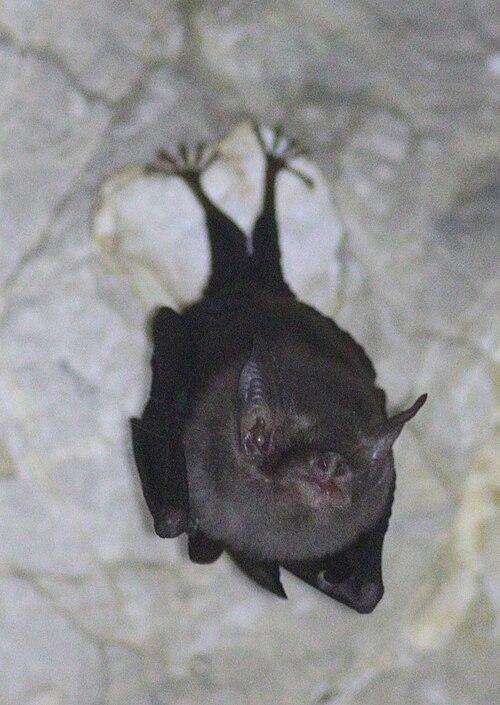
- Kitti's hog-nosed bat, also called the bumblebee bat, weighs about 1.5 to 2 grams, with wings under 3 inches across. It's one of the smallest mammals on Earth, and it lives only in Thailand and Myanmar. (DigiMorph)
The biggest
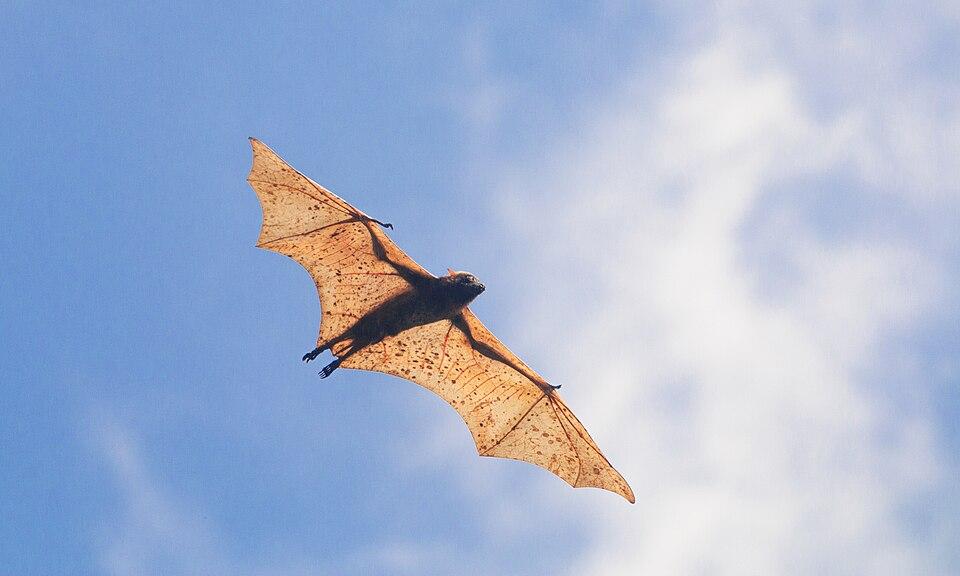
- The giant golden-crowned flying fox of the Philippines weighs about three pounds, with wings five feet or more across: probably the heaviest bat in the world. The large flying fox weighs less but has even longer wings. (The Field Museum)
- Golden-crowned flying foxes have suffered from heavy hunting and the loss of lowland rain forest. (The Field Museum)
Flying foxes use their eyes and nose
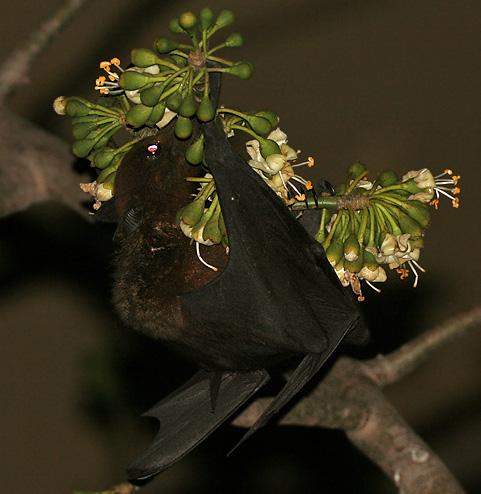
- Flying foxes don't echolocate: they find food by sight and smell. They pollinate and spread the seeds of many important trees. (Australian Museum)
- In Malaysia, island flying foxes were filmed pollinating durian flowers, helping the trees set fruit. (National Geographic)
Nectar bats and the fruit we eat
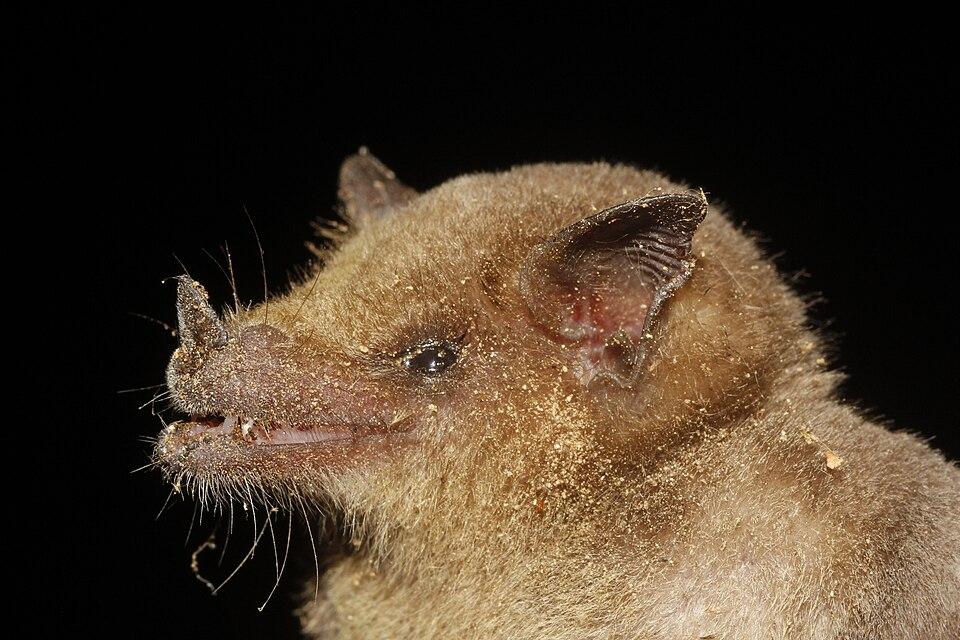
- More than 300 kinds of fruit depend on bats for pollination, including mangoes, bananas and guavas. Agave (used for tequila) and the saguaro cactus depend on bats too. (U.S. Forest Service)
- Most flower-visiting bats live in Africa, Southeast Asia and the Pacific islands. (U.S. Forest Service) The photo shows a lesser long-nosed bat in Mexico.
Vampire bats
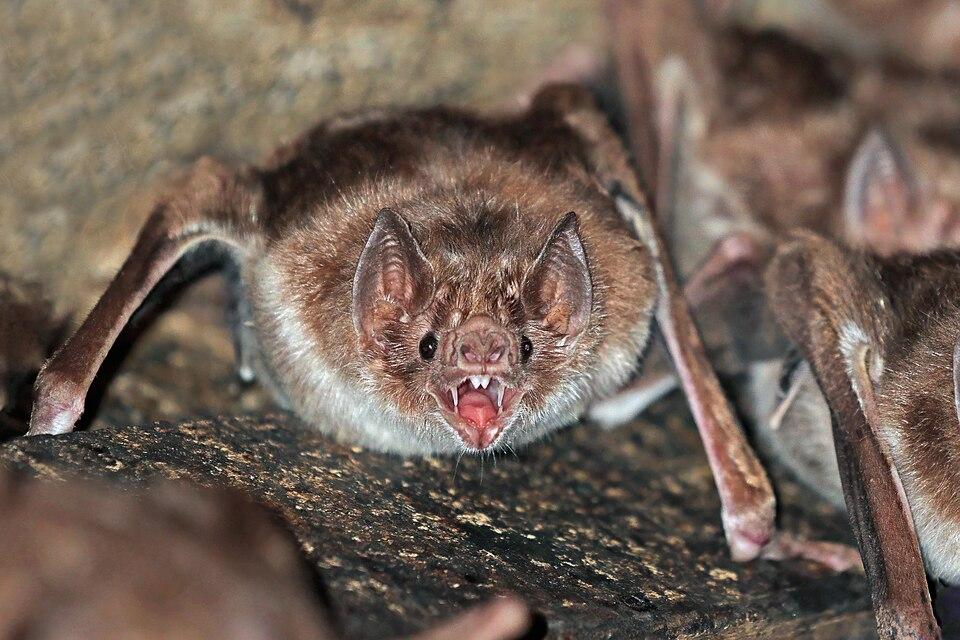
- The common vampire bat lives from Mexico to Argentina and Chile and feeds only on the blood of other animals, in the wild mostly livestock. (Animal Diversity Web)
- It's one of three vampire bats. Another, the white-winged vampire bat, feeds mostly on birds' blood. (Animal Diversity Web)
A bat that fishes
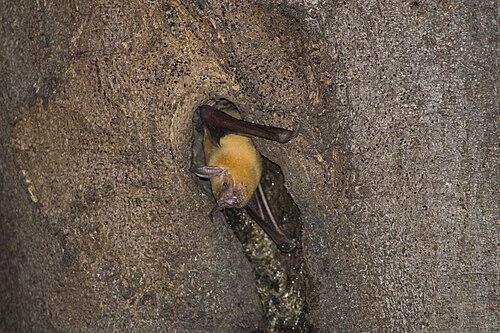
- The greater bulldog bat flies low over the water, finds fish by echolocation, and rakes them up with its big clawed feet, then stores them in its cheek pouches. It lives from southern Mexico to northern Argentina and in the Caribbean. (Animal Diversity Web)
The largest colony is in Texas
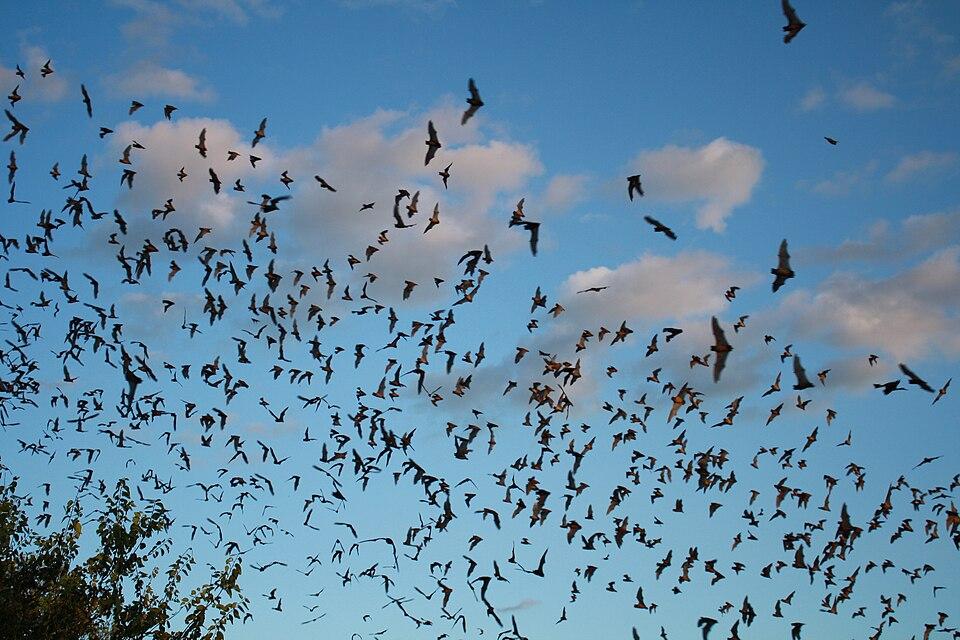
- Bracken Cave, in Texas, has the world's largest bat colony: more than 15 million Mexican free-tailed bats. (Texas Parks and Wildlife)
Long lives
- Most bats live under 20 years in the wild, but six species are known to live past 30. A small bat from Siberia holds the record at 41 years. (U.S. Department of the Interior)
Under pressure
- In North America, white-nose syndrome killed over 90% of northern long-eared, little brown and tricolored bats in fewer than 10 years. (U.S. Department of the Interior)
- Worldwide, over a third of the bat species the IUCN has assessed are threatened or too little known to say. The threats include habitat loss, hunting for meat and climate change. (Frick)
Sources
- U.S. Geological Survey, Species We Study: Bats (Oct 2024)
- U.S. Department of the Interior, 13 Awesome Facts About Bats (Oct 2024)
- DigiMorph, University of Texas at Austin, Craseonycteris thonglongyai
- The Field Museum, Golden-Crowned Flying Fox
- Australian Museum, Grey-headed Flying-fox (updated Oct 2025)
- National Geographic, World's Smelliest Fruit Might Not Exist Without This Giant Bat (Oct 2017)
- U.S. Forest Service, Bat Pollination
- Animal Diversity Web, University of Michigan, Desmodus rotundus
- Animal Diversity Web, University of Michigan, Diaemus youngi
- Animal Diversity Web, University of Michigan, Noctilio leporinus
- Texas Parks and Wildlife, Bracken Cave Preserve
- Frick, Kingston & Flanders, A review of the major threats and challenges to global bat conservation, Annals of the New York Academy of Sciences (2020)
Photos from Wikimedia Commons; the author and licence are under each one.